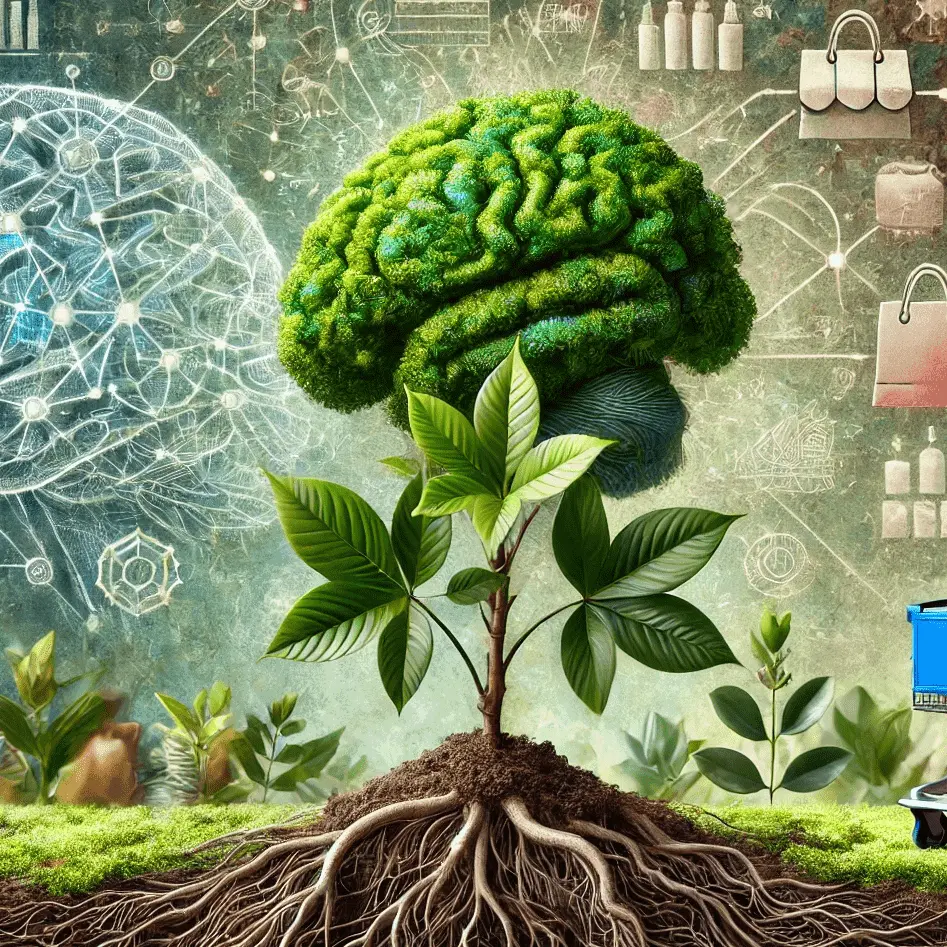
Ever wondered why you suddenly “needed” that latest gadget or why you couldn’t resist that limited-time offer? You’re not alone. Buying decisions aren’t just about logic—they’re deeply rooted in psychology. In fact, businesses that tap into these psychological triggers are far more likely to attract and retain customers. So, let’s unpack the seven key reasons why people buy, backed by science and sprinkled with a bit of fun.
Let’s be honest—most of us don’t buy things because we “need” them. We buy them because of how they make us feel. Whether it’s the comfort of a cozy sweater or the thrill of a shiny new car, emotions drive the majority of our purchasing decisions.
Why it works: Emotional connections bypass logic and speak directly to the heart. Customers are more likely to buy when they feel understood or inspired.
Example: Remember that tear-jerking holiday commercial? It wasn’t just selling a product; it was selling family togetherness. And we all cried a little.
We all like to think we’re independent thinkers, but let’s face it—we’re heavily influenced by what others are doing. If everyone’s buying that new skincare product, you’re tempted to try it too, right? This is the power of social proof.
Why it works: Seeing others use and love a product builds trust and reduces decision-making anxiety.
How to use it:
Example: Ever bought a product because it had “5 stars and 10,000 reviews”? You’re not alone.
“Only 2 left in stock!” or “Sale ends at midnight!” These phrases are like magic spells, compelling us to click “buy” faster than we can think. Scarcity and urgency play on our innate fear of missing out on a great opportunity.
Why it works: When something feels limited or exclusive, it becomes more desirable.
How to use it:
Example: That Black Friday frenzy where you bought a blender at 50% off? Scarcity and urgency were at play.
When an authority figure says something is good, we tend to believe them. Whether it’s a dermatologist recommending a skincare product or a fitness expert endorsing a workout gadget, authority builds trust.
Why it works: People look to experts for guidance when they’re unsure.
How to use it:
Let’s talk about the Google Helpful Content Update (HCU)—the latest buzzword in the SEO world. It’s the update everyone’s talking about, but what does it mean for you, your website, and your content strategy? Fear not! This article will break it all down with a touch of wit and a whole lot of useful insights.
Here’s a fun one: once people commit to something small, they’re more likely to stick with it and make bigger commitments later. This is the classic foot-in-the-door technique.
Why it works: People like to appear consistent in their decisions—it makes them feel reliable.
How to use it:
Example: You sign up for a free app. A month later, you’re happily paying for the premium version. That’s commitment in action.
Imagine this: a store gives you a free sample of their product. Suddenly, you feel compelled to buy it. That’s reciprocity—the idea that when someone does something nice for us, we want to return the favor.
Why it works: People feel obligated to give back when they receive something of value.
How to use it:
Example: Those free perfume samples at the mall? They’re not just about letting you smell nice—they’re about making you buy.
We don’t just buy products; we buy what they represent. A sleek car? Success. Organic food? Health-consciousness. People choose brands that align with their values or help them express who they are (or want to be).
Why it works: People are drawn to products that reinforce their identity or aspirational image.
How to use it:
Example: Apple doesn’t just sell gadgets—it sells creativity and innovation. Their products say, “I’m modern and forward-thinking.”
Buying isn’t just about the product; it’s about the experience, the emotions, and the psychological triggers behind the decision. Whether it’s tapping into emotions, leveraging authority, or creating FOMO, understanding these psychology-backed reasons can transform your marketing strategy.
So next time you’re crafting a campaign or writing a product description, remember: you’re not just selling a product—you’re appealing to the complex, fascinating human mind.

No Code Website Builder